
Hydraulic Cleanliness: How Contamination Accelerates Pump and Valve Wear
Particles and degraded fluid can increase wear, block passages and make precision hydraulic components unreliable.
Read Article →Research-led articles on lubricant selection, contamination, wear and maintenance issues that can affect industrial equipment reliability.
Water can accelerate corrosion, oxidation, additive degradation and mechanical wear in hydraulic systems.
Read Article →Particles and degraded fluid can increase wear, block passages and make precision hydraulic components unreliable.
Read Article →
Gearboxes need an oil film strong enough for load and speed without creating unnecessary drag.
Read Article →Water can challenge rust protection, oil separation and filterability in industrial gear systems.
Read Article →
Heat accelerates oxidation, which can shorten oil life and create acids, varnish and sludge.
Read Article →Compressor oils require viscosity stability, oxidation resistance, anti-foam behaviour and material compatibility matched to the machine.
Read Article →
Viscosity must balance oil flow and film thickness across start-up and operating temperature.
Read Article →Used-oil trends can reveal abnormal contamination, wear metals and oil-condition changes before visible engine symptoms appear.
Read Article →
In low-speed marine engines, cylinder oil alkalinity must match fuel and engine conditions to control corrosion and deposits.
Read Article →Cylinder inspection and oil monitoring help operators identify wear and cleanliness problems before they become costly overhaul events.
Read Article →
Excess grease can cause churning, temperature rise and seal problems—especially at higher speed.
Read Article →At high temperature, unsuitable grease can oxidise, harden or lose oil, reducing lubrication and increasing bearing risk.
Read Article →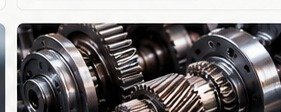
Transmission design determines friction, synchroniser, material and durability requirements that viscosity alone cannot describe.
Read Article →Too little viscosity can reduce film strength; too much can increase drag and slow lubricant circulation.
Read Article →
Speed and temperature can push grease beyond its mechanical and thermal limits, raising friction and failure risk.
Read Article →Some environments require chemical stability, low volatility or material compatibility that conventional mineral lubricants cannot reliably provide.
Read Article →Every article is tied to a lubricant category DHG supplies and focuses on a problem that matters when equipment is operated, maintained or procured.
Understand how contamination, heat and lubricant condition influence component life and unplanned downtime.
Connect viscosity, application and OEM requirements before choosing a lubricant category.
Use lubrication knowledge to reduce avoidable wear, overheating and maintenance surprises.